


Rolling around my mind this week are two dharma stories. First, this line from Suzuki Roshi, who was commenting on how he got to a place with his American students at Tassajara where he didn’t want to give so many formal teachings. “It’s like giving you a recipe” he said to one student, “it doesn’t work. You cannot eat a recipe”. Instead he emphasised practise – zazen – living and working together, and investigating things for oneself.
When I began cooking, back in my late teens, I would come across a recipe that appealed, try it once and if it ‘worked’ and was tasty and enjoyable I would faithfully copy it down. If I wasn’t impressed by the result, it would be discarded and forgotten. I thought this was an absolutely acceptable and sensible way of ‘learning to cook’. But how much was I really learning, or was I just collecting recipes? Now when I look back at how I ‘learnt to cook’ I realise I wasn’t learning much at all. Which is the same mistake we can make with dharma too, memorising complex doctrinal teachings and profound buddhist psychology, without deeply knowing what we are knowing. Although of course, we all need to start somewhere.
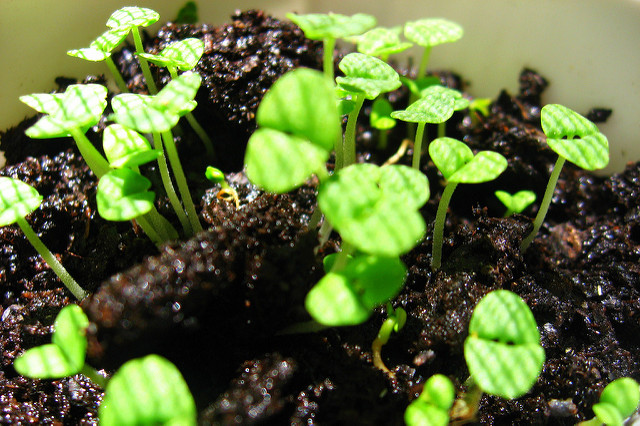
I think most of us study Buddhism like something already given to us. We think that what we should do is preserve the Buddha’s teaching, like putting food in a refrigerator. We think that to study Buddhism is to take the food out of the refrigerator. Whenever you want it, it is already there. Instead, Zen students should be interested in how to produce food from the field, from the garden, should put the emphasis on the ground. If you look at the empty garden you won’t see anything, but if you take care of the seed it will come up. The joy of Buddhism is the joy of taking care of the garden – Suzuki Roshi.

 Auckland University has seven (SEVEN!!) spiritual / multi-faith chaplains who are available to assist with spiritual and personal development. There is a Zen priest who leads interested students in regular meditation sessions. Wow, what a fantastic education these students are having.
 Cooking For Awakening